
Lamar Valley - Evidence of Glaciers
Alerts
2 more for Yellowstone National Park
About
Glaciers result when, for a period of years, more snow falls in an area than melts.
Once the snow reaches a certain depth, it turns into ice and begins to move under the force of gravity or the pressure of its own weight.
During this movement, rocks are picked up and carried in the ice, and these rocks grind Earth’s surface.
Ice and water erode and transport earth materials as well as rocks and sediments.
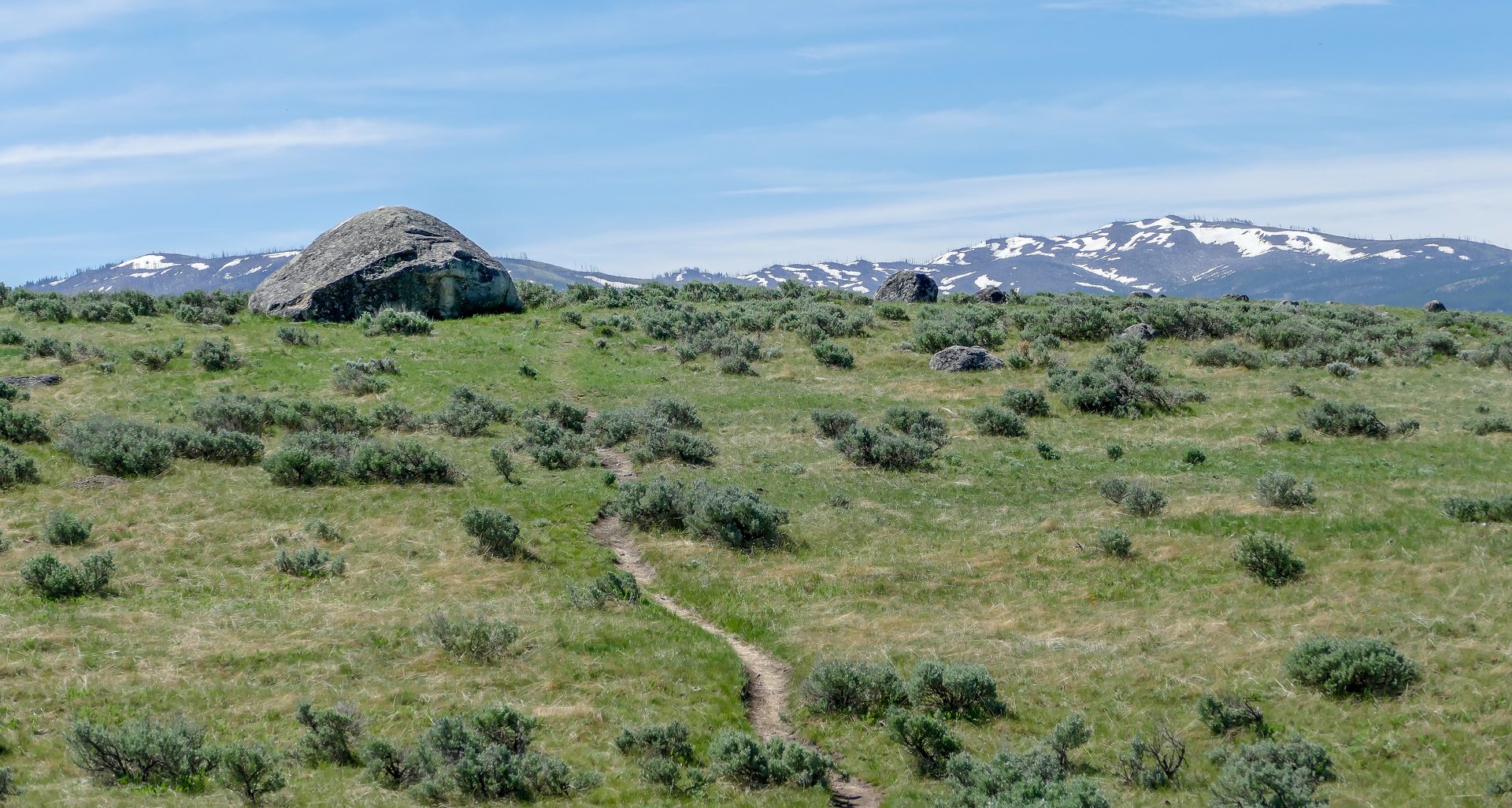
Glaciers also deposit materials. Large U-shaped valleys, ridges of debris (moraines), and out-of place boulders (erratics) are evidence of a glacier’s passing.
A glacial deposit near Tower Fall in Yellowstone dates back 1.3 million years.
The Earliest People in Yellowstone
People were probably not here when the entire area was covered by ice caps and glaciers. The last period of ice coverage ended 13,000-14,000 years ago. Sometime after that and before 11,000 years ago, humans arrived in Yellowstone.
Animals are Dangerous
Do not approach or feed any animal.
Bison and elk have injured people.
Stay 100 yards (91 m) from bears and wolves.
Stay 25 yards (23 m) from all other animals.
You are responsible for your safety.
Think Safety, Act Safely. Yellowstone is a Dangerous Place.
From the National Park Service · nps.gov
Look inside
Getting there
Directions
2 Officers Row, Yellowstone National Park, WY 82190
Go to Yellowstone National Park.
Get directions