
Mormon Row
Alerts
3 more for Grand Teton National Park
About
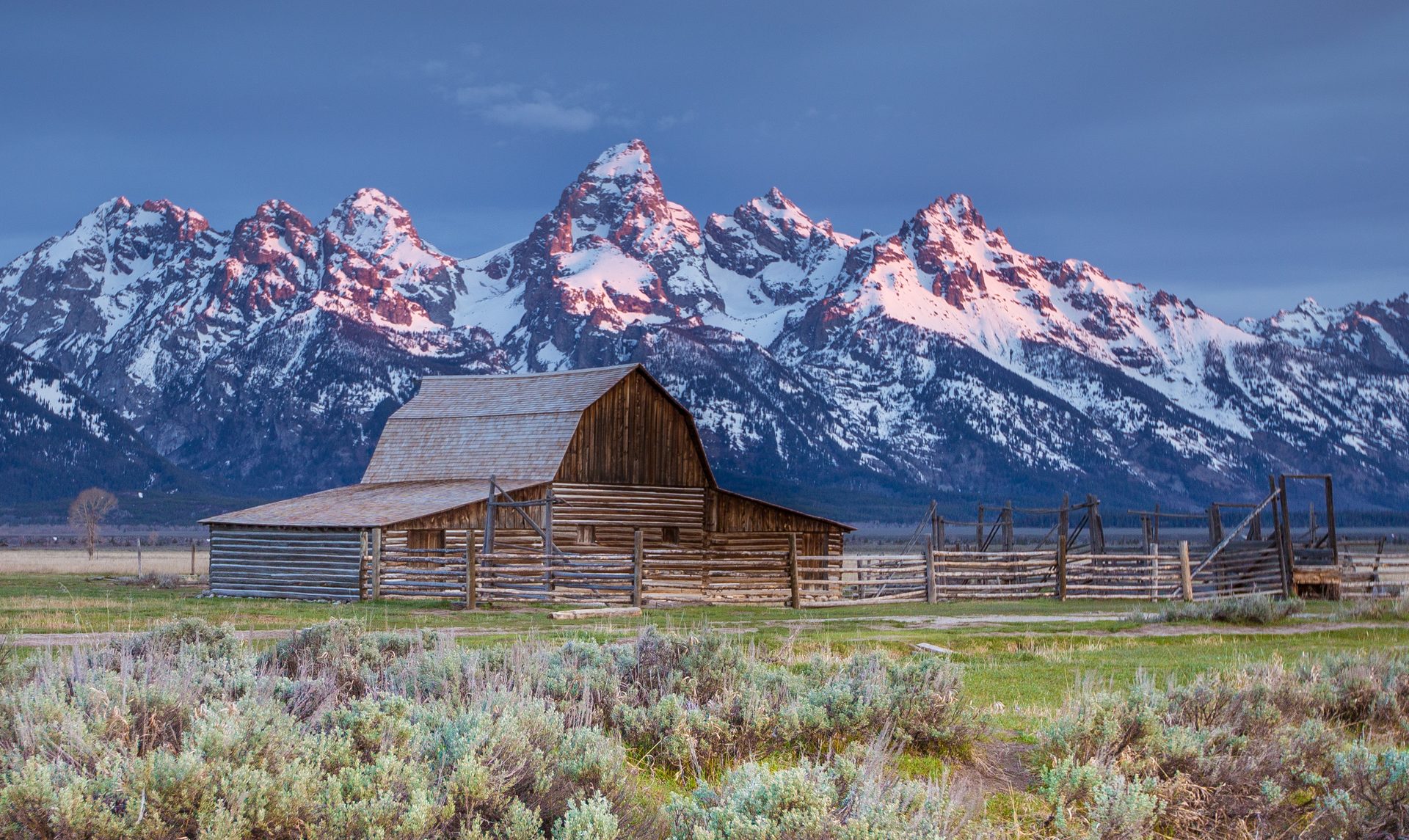
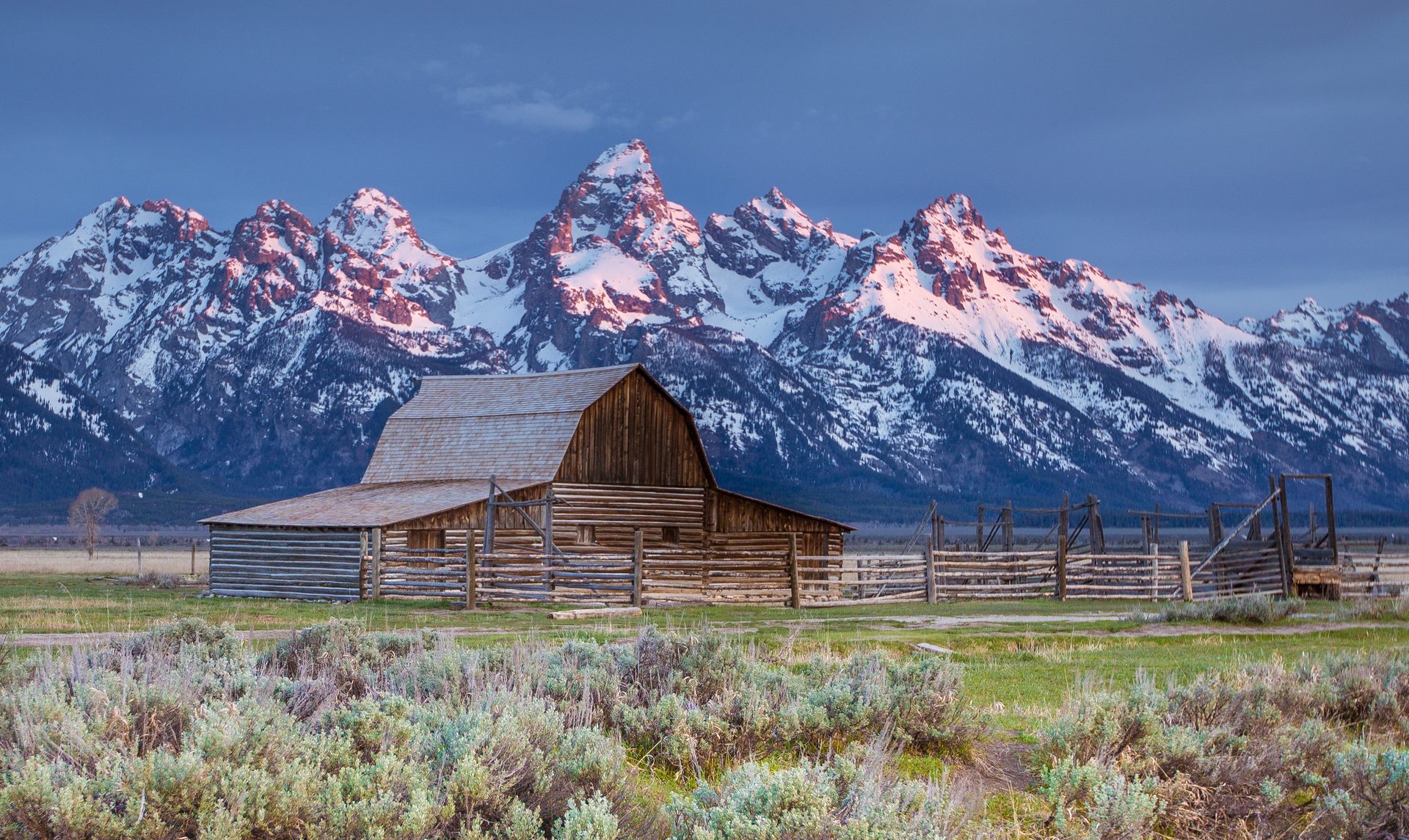
The buildings on Mormon Row tell the story of a once vibrant community. The Homestead Act of 1862 promised 160 acres to any person willing to build a house and cultivate the land for 5 years. This act enabled the settlement to come together. The promise of land eventually drew settlers to Mormon Row, originally known as Grovont in the 1890s. Healthy sagebrush indicated richer soil and drew the first Mormon families with hopes of beginning a new life. Forming a true community, they constructed ranches, homes, a church and a school,.
By the mid-1900s, many Mormon Row settlers sold their land and moved into Jackson other surrounding communities, and beyond.This land was later incorporated into Grand Teton National Park. You now see a landscape of sagebrush, cottonwood trees and quaking aspen. As you watch bison and pronghorn roaming the sagebrush flats, imagine the grazing cattle and hayfields filling the horizon.
Name Origin
Members from the Church of Jesus Christ of Latter Day Saints spread north from Utah and homesteaded on the east side of Blacktail Butte in the 1890s. Known as Mormons, they settled the community known as Grovont and used their collective efforts to survive in the valley's harsh environment.
From the National Park Service · nps.gov
Look inside
Getting there
Directions
103 Headquarters Loop, Moose, WY 83012
Go to Grand Teton National Park.
Get directions