
The Friends of Coronado Historic Site
About
The legend of Francisco Vásquez de Coronado looms large in New Mexico history as one of the first European explorers to tread what became U.S. soil along sections of what would later be called El Camino Real de Tierra Adentro. Coronado’s 1,400-mile journey from Compostela to New Spain’s northern frontier served the Spanish Crown’s mission to exploit the region’s natural resources and convert its Native populations to Christianity.
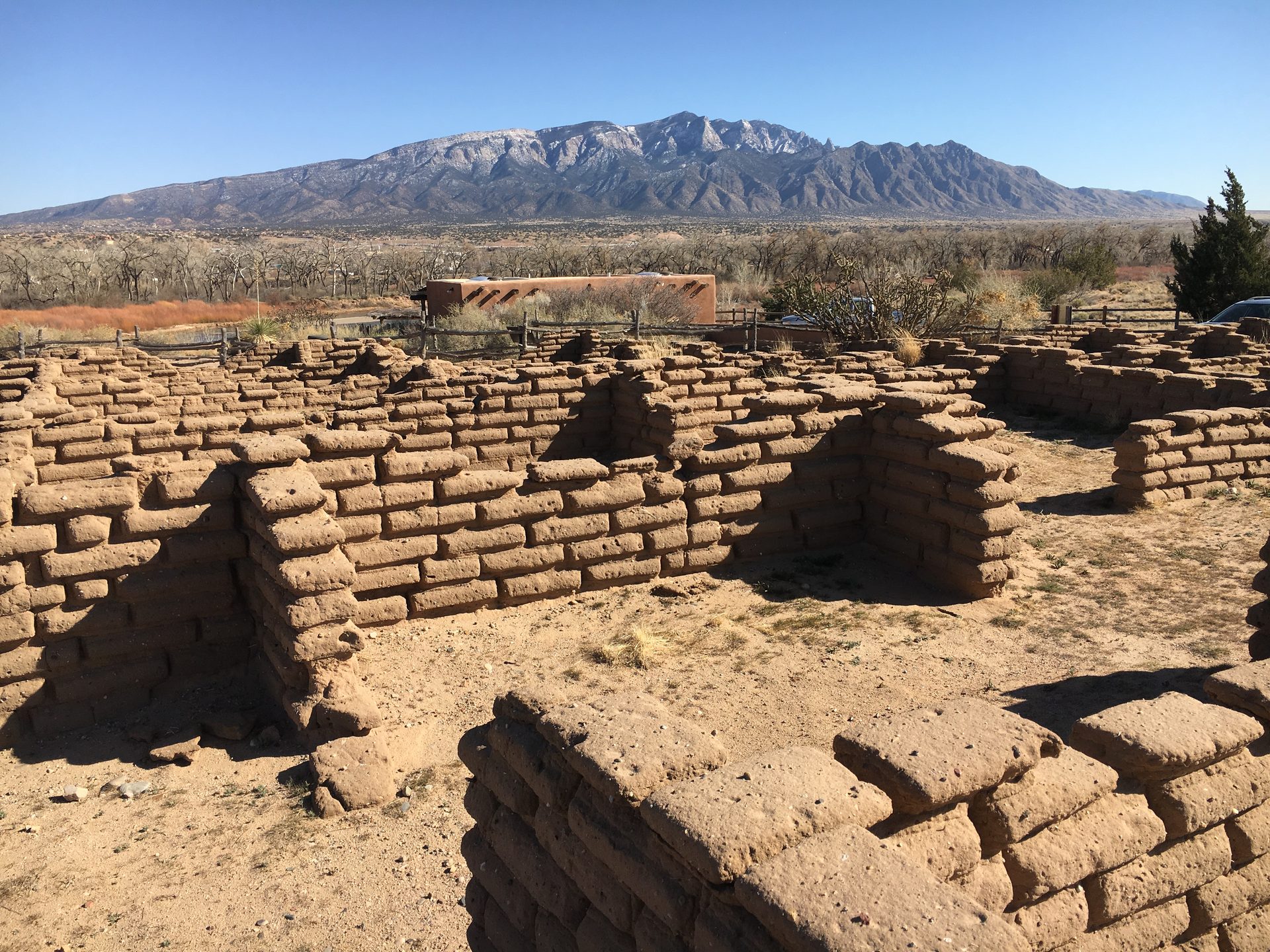
Perhaps nowhere is Coronado’s impact more keenly recognized than at Kuaua Ruins, a precontact Tiwa village known since 1940 as Coronado Historic Site. Located a half-mile northwest of Bernalillo on the west banks of the Rio Grande, the earthen remnants of the multi-story Kuaua, which was settled around 1300 AD, lie west of the main route of El Camino Real. Even so, the physical and environmental vistas preserved at the site, and the stories it tells of the Pueblo life and culture that Coronado and others encountered, give Kuaua particular significance on the trail’s interpretive path of living history and experience.
Site Information
Location (485 Kuaua Rd. in Bernalillo, NM)
For visitors who wander through the ruins along an interpretive trail, explore the museum and visitor center, or take in the pristine views from a shady portal or picnic tables, the Kuaua experience illuminates Pueblo Indian culture from the precontact period to early Spanish contact.
From the National Park Service · nps.gov
Look inside
Getting there
Directions
At El Camino Real de Tierra Adentro National Historic Trail
485 Kuaua Rd., Santa Fe, NM
Go to El Camino Real de Tierra Adentro National Historic Trail.
Get directionsContact
Links
Nearby
Other places within a few minutes' walk of The Friends of Coronado Historic Site.
Quezada’s Comedy ClubHours not listed