
Stop 17 Melrose Raised Bed Garden
Alerts
4 more for Natchez National Historical Park
About
This gravel parking lot replaced the large Melrose vegetable garden. There, Mary Louisa McMurran oversaw enslaved gardeners and laborers. They tended the plants that fed the entire estate. The vegetable garden was connected to the Kitchen building by a dirt path lined with cherry laurels. These native plants were used as hedges all around the estate. That path has now been expanded and paved to make it wheelchair accessible. The clever white wooden gate that swings both ways is probably a Kelly-era addition.
This large garden provided a space for seasonal vegetables to feed people on the estate. The slaves may have also had their own garden plots down behind the cabins. The gardens would have held tomatoes, peppers, corn, squash, melons, beans, and peas in the summer. They were followed by root vegetables and greens in the cooler months. The gardens grew enough fruits and vegetables to feed two dozen people daily.
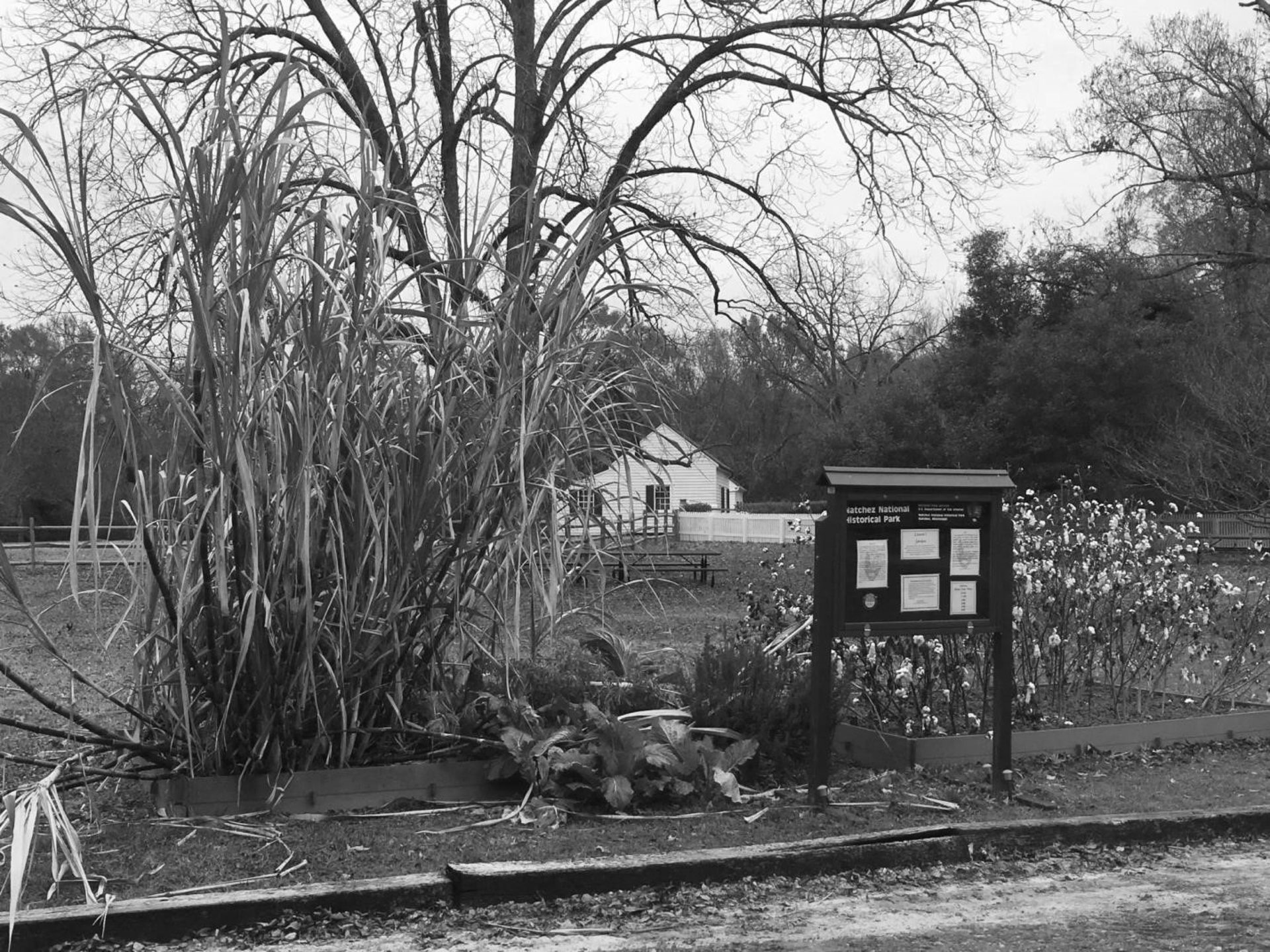
The raised beds that are located by the parking lot today give visitors a chance to see examples of some crops that were grown out on plantations, such as cotton and sugar cane. More than 350 people were held in bondage on the McMurrans’ five cotton plantations. Their forced labor generated the great wealth that paid for the splendor of the Melrose estate.
This concludes your tour of the Melrose grounds. We hope you have enjoyed your walk and learned something along the way about the estate, its people, and the system of chattel slavery that built and sustained this country. We also hope this has whetted your appetite to come back again to this beautiful and tragic place.
From the National Park Service · nps.gov
Look inside
Getting there
Directions
640 South Canal Street, Natchez, MS 39120
Go to Melrose.
Get directionsContact
Links
Nearby
Other places within a few minutes' walk of Stop 17 Melrose Raised Bed Garden.
© OpenStreetMapMelrose Visitor CenterClosed · opens 8:30am