
Enslavement Quarters
Alerts
6 more for Hampton National Historic Site
About
From the colonial period through 1864, the Ridgelys enslaved over 500 African American men, women and children. Enslaved persons, from young children to the elderly, labored in a wide variety of capacities at Hampton and Northampton: as ironworkers, founders, limestone and marble quarriers, millers, blacksmiths, gardeners, dairymaids, jockeys, cobblers, seamstresses, woodcutters, field hands, carriage drivers, cooks, childcare providers, cleaners and builders.
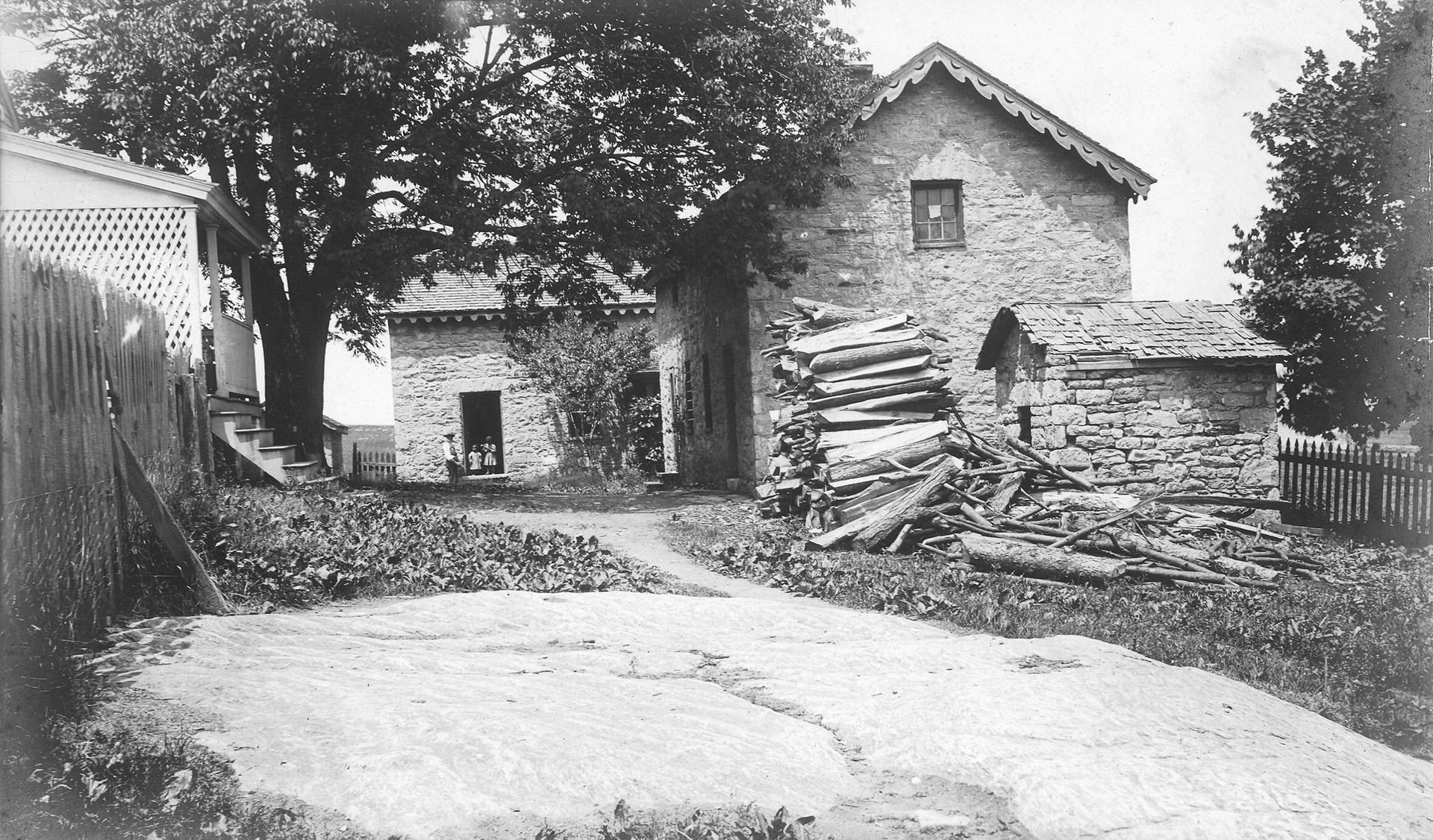
These cabins behind the Overseer's House were built about 1854, made of stone cut from the Ridgely quarry. These stone structures are sturdier and larger than quarters on most other plantations of the time. They were built as duplex units with a central interior wall, so it is likely that a family lived in the two rooms on each side.
Family life for many of the enslaved centered around the Enslavement Quarters. It was here that families ate meals of salted pork, beef, corn meal and fish. These meals may have been supplemented by fresh vegetables grown in small gardens behind the quarters. Stories, told by the fireside, might recall ancient African traditions. In these buildings, enslaved families could enjoy a limited amount of privacy and could speak freely, away from the watchful eyes of the overseer or the Ridgely family.
From the National Park Service · nps.gov
Look inside
Getting there
Directions
At Hampton National Historic Site
535 Hampton Lane, Towson, MD 21286
Go to Hampton National Historic Site.
Get directions