
Charles Curtis House Museum
About
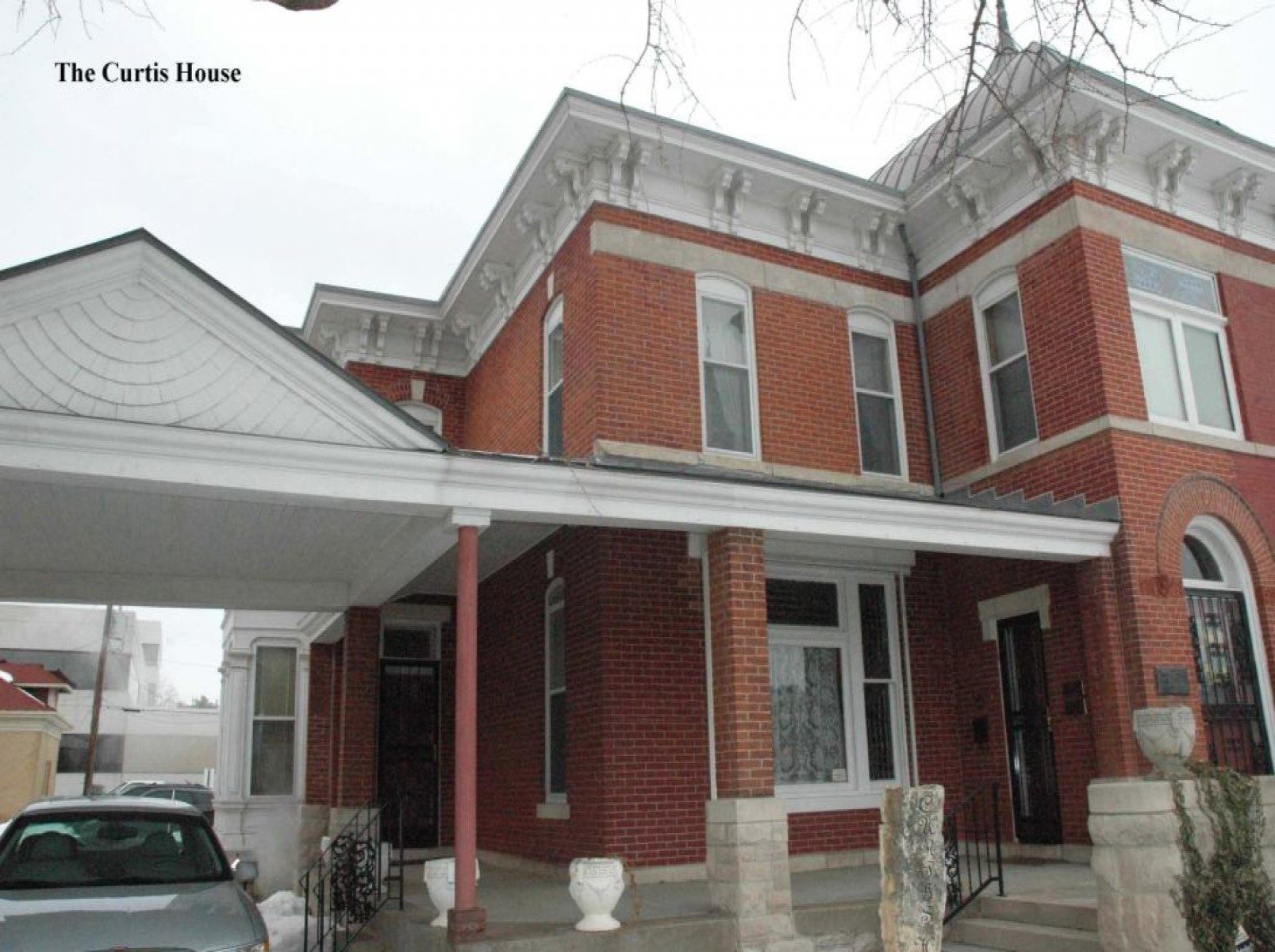
Vice President Charles Curtis, the great grandson of a Kansa Indian Chief, was born in 1860 on a North Topeka farm. Following the death of his mother, he lived on a Kaw Indian reservation where he stayed with his maternal grandmother and attended a mission school. His grandmother convinced a young Curtis to leave the reservation and return to Topeka to get an education. Curtis worked his way through high school, racing horses at county fairs and peddling fruit, newspapers, and peanuts. Curtis was determined to pursue a law career, so he took a job with a Topeka legal firm in order to use its library to study for the bar exam. In 1881, he joined a Topeka law practice and became active in the Republican Party. He soon became Shawnee County’s prosecuting attorney. In 1892, Curtis won election to the U.S. House of Representatives, becoming the first member of Congress descended from Native Americans. His most notable act while in the House was the Curtis Act of 1898, which promoted tribal land allotment and led to Oklahoma statehood. Curtis remained in the House until January 1907, when he was elected to the U.S. Senate, serving until 1929. In that year, Curtis became Vice President of the United States under Herbert Hoover.The Charles Curtis home was built in 1879 and served as Curtis’s Kansas residence between 1907 and 1936. Today, the Charles Curtis House contains a museum and is listed on the National and Kansas State Registers of Historic Places and the Topeka Landmarks Register.
From the National Park Service · nps.gov
Look inside
Getting there
Directions
At Brown v. Board of Education National Historical Park
1101 SW Topeka Blvd, Topeka, KS 66612
Go to Brown v. Board of Education National Historical Park.
Get directionsContact
Links
Nearby
Other places within a few minutes' walk of Charles Curtis House Museum.
The David Law OfficeHours not listed China ExpressClosed · opens 10:30am The David Law OfficeHours not listed