
Maunaiki Trail
Kīlauea eruption. Volcanic eruptions can be hazardous. Stay out of closed areas and monitor air quality. Eruptions can last a few hours and are often separated by pauses lasting several weeks. nps.gov
Alerts
- DangerKīlauea eruptionVolcanic eruptions can be hazardous. Stay out of closed areas and monitor air quality. Eruptions can last a few hours and are often separated by pauses lasting several weeks. Posted November 2 · From Hawaiʻi Volcanoes National Park · nps.gov
5 more for Hawaiʻi Volcanoes National Park
About
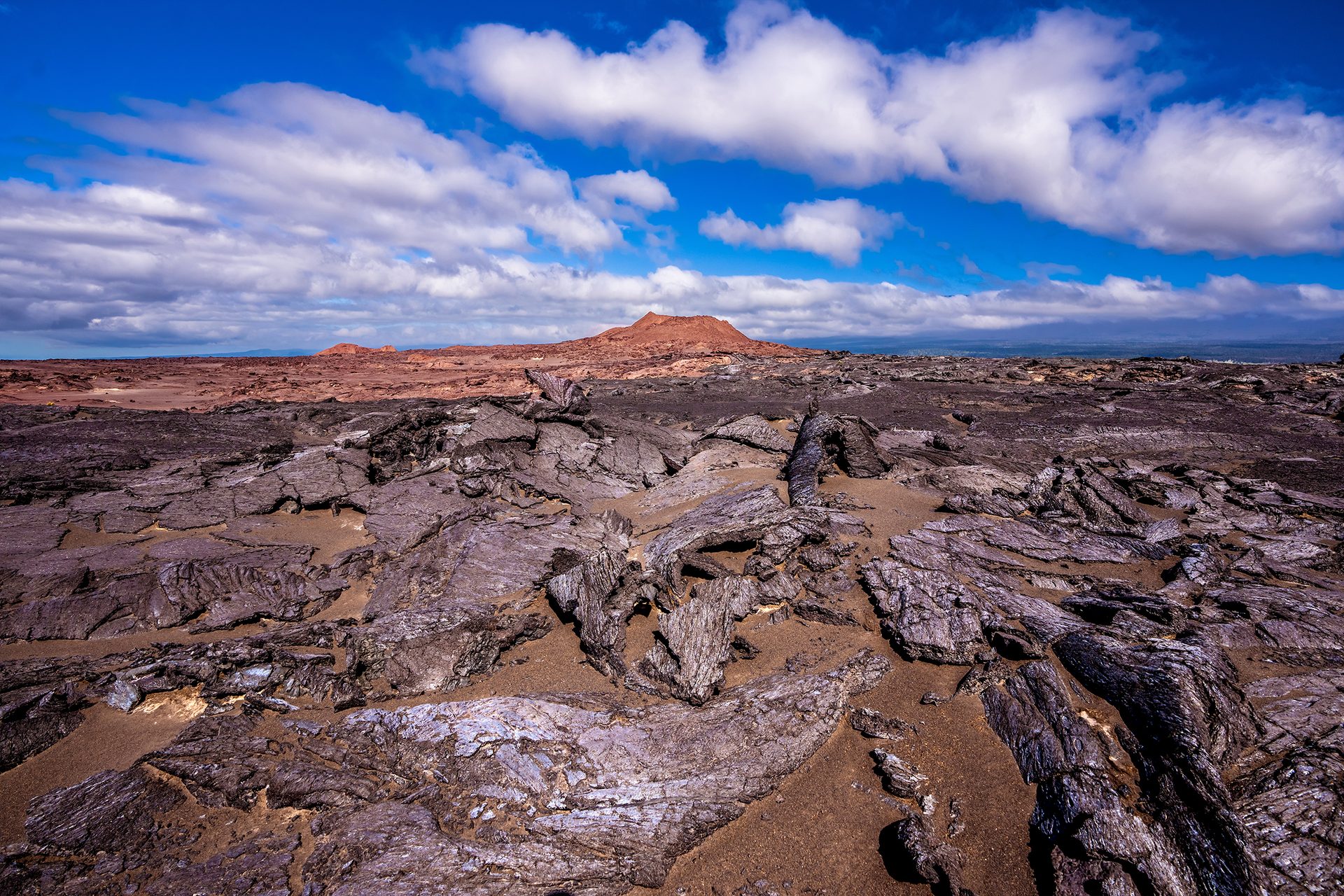
The Kaʻū Desert is a harsh landscape where volcanic eruptions and ashfall from events in Halemaʻumau crater have created a desolate, moon-like environment.
In 1790, a dramatic explosion occured at the summit of Kīlauea. The eruption involved a torrent of hot gas, ash, and sand that rained down on the Kaʻū Desert. Caught in the middle of this deadly, suffocating storm were groups of Native Hawaiians travelling through the region on long-used trails. In the newly fallen layer of ash, these groups left behind footprints that we can still see today— a reminder that Hawaiians have beared witness to the geological drama of this island for centuries.
Between Maunaiki lava shield and the trailhead on Hilina Pali Road are two dramatic cinder cones and deep pit craters. In this area, look for mats of Pele's hair, thin golden-colored fibers of volcanic material.
Trailheads: There are two trailheads to this area— the Kaʻū Desert Trailhead on Highway 11 and the Maunaiki Trailhead on Hilina Pali Road.
Difficulty: Difficult hike. The trail is extremely uneven in many places between Maunaiki and the trailhead on Hilina Pali Road. It involves hiking through fields of broken, jagged lava. The trail is marked with stacked rocks and requires close attention. There is no water and for most of the trail there is no opportunity for shade.
Distance: 8 mi (13 km) from Kaʻū Desert Trailhead to the trailhead on Hilina Pali Road.
Bring: Water, hat, sun protection & raingear. Be prepared for hot, dry, wet, and windy weather conditions.
Note: in the wake of the 2018 summit collapse and 2024 eruption, there is a large amount of ash and volcanic glass in the Kaʻū Desert that can become airborne. Carrying eye protection and a dust mask is recommended.
From the National Park Service · nps.gov
Look inside
Getting there
Directions
At Hawaiʻi Volcanoes National Park
1 Crater Rim Drive, Hawaii National Park, HI 96718
Go to Hawaiʻi Volcanoes National Park.
Get directions