
Nightingale Trail - Stop 9 Live Oak
Alerts
3 more for Cumberland Island National Seashore
About
Live Oak “Quercus virginiana”
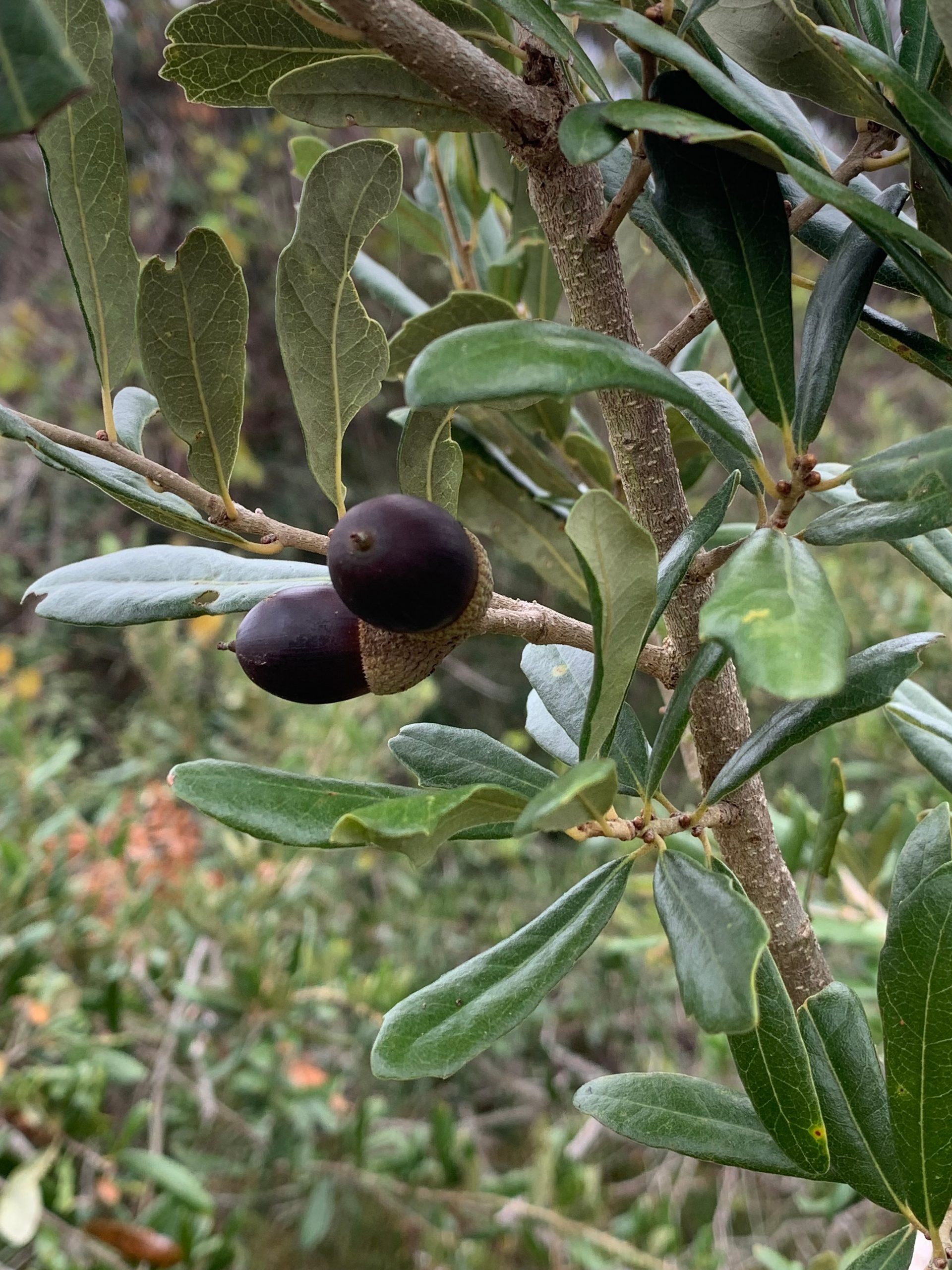
The most common tree in this forest is the Live Oak. The oval leathery leaves persist on the branches until new leaves appear in the spring. Its dark slender acorns are a major food source for deer, raccoon, turkey and squirrel. Note the short dense growth near the dunes. Pruned by the salty breezes the awning effect of the closely clustered leaves protects the forest from ocean winds and salt spray.
Note the curvy grain in the dead tree in front of you. The dense wood of the live oak was the world’s most valued timber in the era of tall sailing ships. “Live Oakers” from northern shipyards brought models with them and searched the forest for branches forming the desired angles for ships knees, the bracing in the bottom of wooden sailing ships. Other branches were chosen for their curves. One curved stem piece, used for the “USS Constitution”, was 28 feet long and weighed six tons. During the War of 1812, this ship was nicknamed “Old Ironsides” because British cannon balls bounced off her live oak hull.
From the National Park Service · nps.gov
Look inside
Getting there
Directions
At Cumberland Island National Seashore
113 St. Marys St W, St. Marys, GA 31558
Go to Cumberland Island National Seashore.
Get directions