
North Rim Meadows
INNER CANYON WATER SHUTOFFS. Beginning Sep. 6, no potable water will be available in the inner canyon, including along the Bright Angel Trail (1.5 Mile Resthouse, 3-Mile Resthouse, Havasupai Gardens day use and campground). All backpackers and hikers should carry water filtration and treatment OR carry all water with them. nps.gov
Alerts
- DangerINNER CANYON WATER SHUTOFFSBeginning Sep. 6, no potable water will be available in the inner canyon, including along the Bright Angel Trail (1.5 Mile Resthouse, 3-Mile Resthouse, Havasupai Gardens day use and campground). All backpackers and hikers should carry water filtration and treatment OR carry all water with them. Posted November 2 · From Grand Canyon National Park · nps.gov
2 more for Grand Canyon National Park
About
Visitors should plan ahead and be prepared for a more remote experience this year, with limited services available as the park continues recovery and restoration work.
The 2026 season will focus mainly on day use and limited backcountry access, with some scenic drives, viewpoints, and trails open to visitors. Please keep in mind that potable water will not be available on the North Rim, so be sure to bring plenty of water and food for your visit.
North Rim - Current Status and Closures
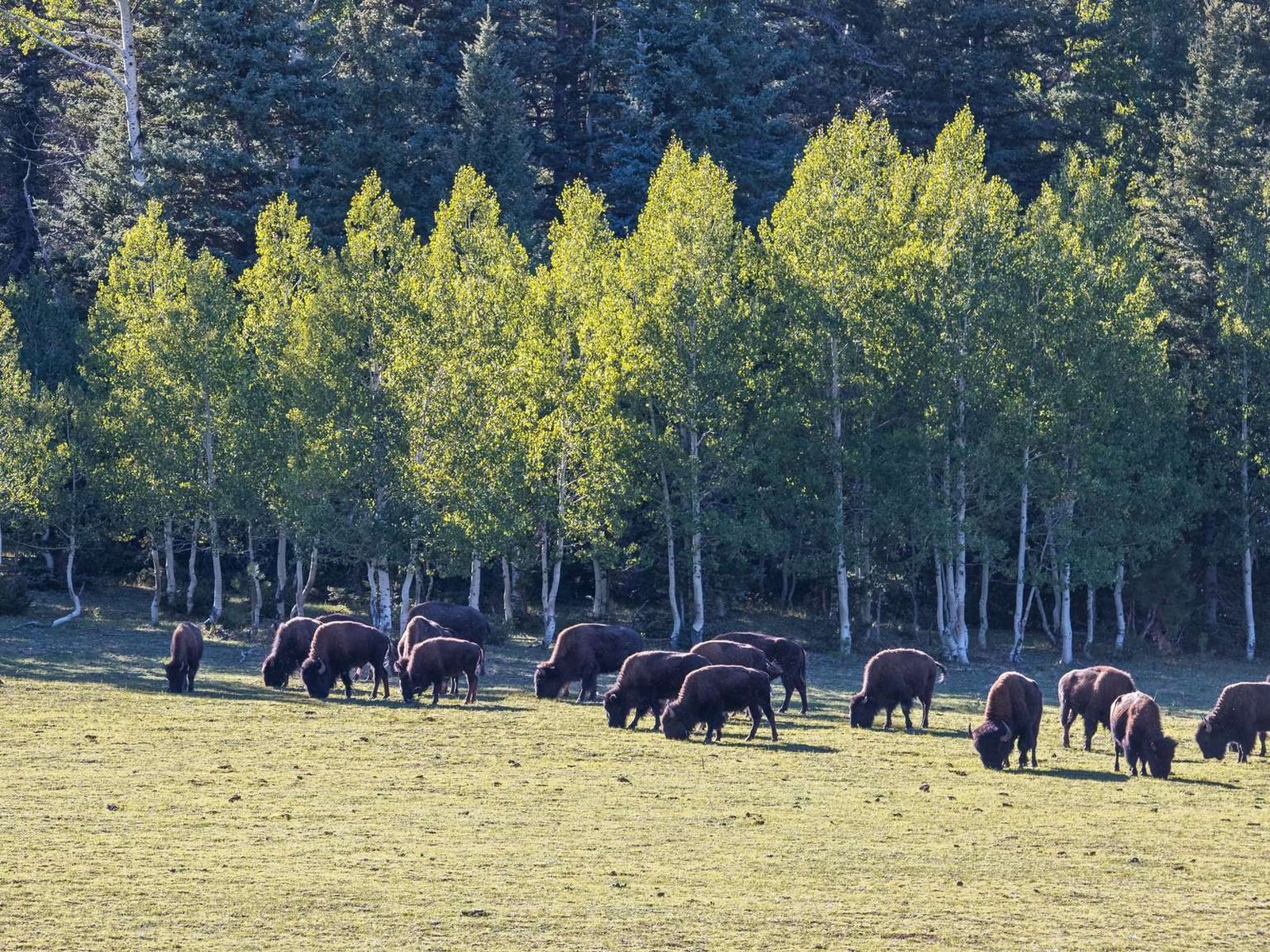
As you passed through Kaibab National Forest and entered the North Rim of Grand Canyon National Park, you probably noticed something unusual. On either side of you, tall and densely clustered pine or aspen trees abruptly end at the edges of this large meadow. The open area that you see extends for miles.
Why would these vibrant forests suddenly stop invading an open, rolling grassy landscape? Several factors are linked to this phenomenon.
Wildfire has certainly played a role.
Drainage is also a limiting factor. Trees are skilled at soaking up water, though seedlings may have a hard time growing in locations exposed to greater amounts of sun, rain, and snow.
Soil chemistry is also a consideration. Natural toxins and higher alkaline concentrations can prevent the growth of woody plants.
Competition is significant. For example, Ponderosa pine trees struggle to grow in areas dominated by established grasses. Variations in bedrock (primarily Kaibab limestone) may also affect how deep or suitable an area is for seedling growth. And grazing wildlife, like mule deer and bison, keep vegetation low and trimmed.
You can also observe this phenomenon along the beginning of Cape Royal Road, here on the North Rim.
Bison Safety
Bison are wild animals and are unpredictable.
Maintain a distance of 100 feet (30 m) from bison.
When the bison are within 100 feet (30 m) of the road, it is recommended to view wildlife from inside a vehicle.
Please use established gravel or paved pull-outs to park vehicles completely off the roadway (all wheels right of the white line). Do not walk or park in the road.
From the National Park Service · nps.gov
Look inside
Getting there
Directions
20 South Entrance Road, Grand Canyon, AZ 86023
Go to Grand Canyon National Park.
Get directions